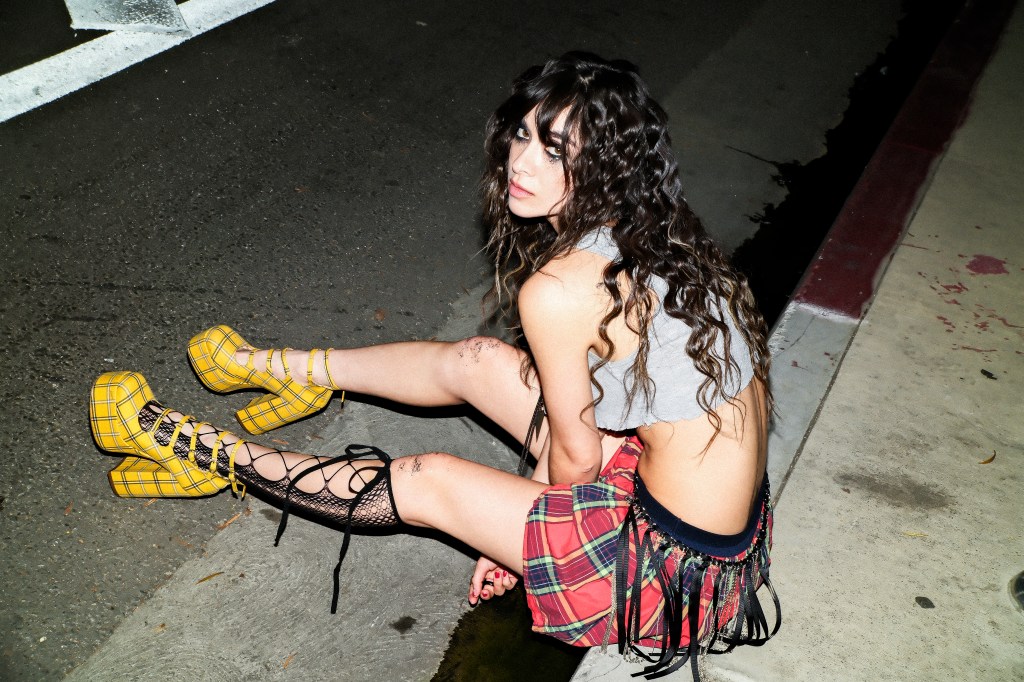
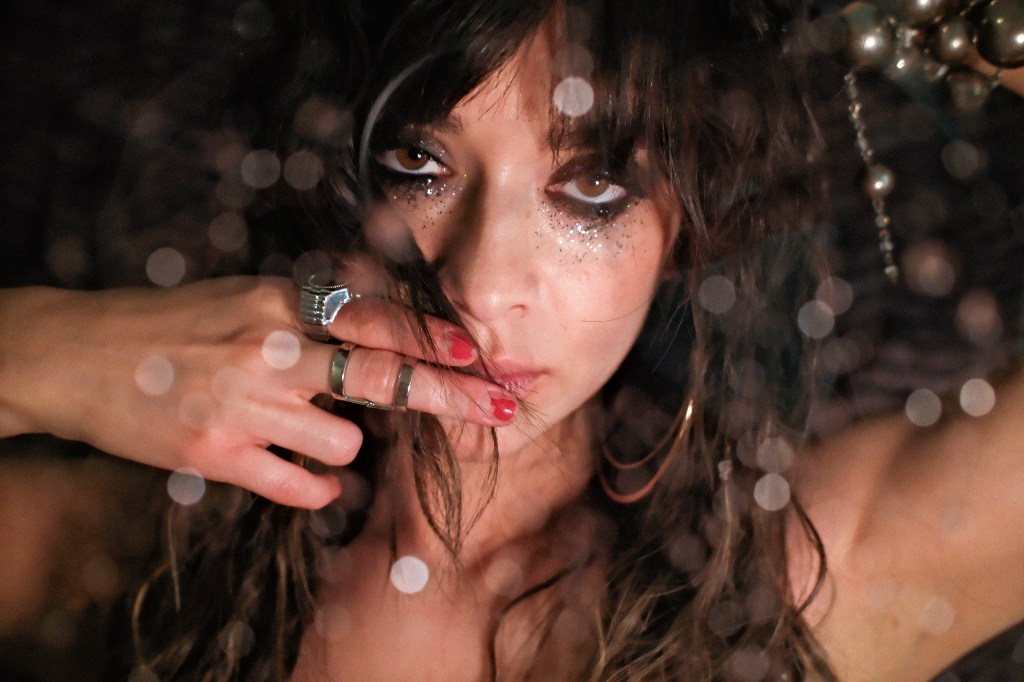
In today’s pop scene, few artists are mixing emotional honesty and high energy pop quite like Zoe Ko. Known for her bold personality, nostalgic influence, and catchy beats and lyrics, Zoe is creating something that feels both deeply personal and universally relatable. For this interview with REVERB, she opened up about her identity as an artist, her songwriting process, the story behind her breakout song “Party Girls Don’t Cry,” and the experiences that continue shaping her sound and image.
When asked who ‘Zoe Ko’ really is, she explained that the artist persona is both real and aspirational. She described “Zoe Ko” as a more confident, fearless version of herself; someone she looks up to while still remaining authentic and true to herself. She admitted there is still a shy side underneath it all, but creating this larger artistic identity has helped her grow into herself more confidently over time.
She also spoke about the pressure artists often feel to stay visually and creatively consistent online. Instead of feeling trapped by those expectations, Zoe separates the “artist” from her everyday self, allowing herself room to evolve naturally outside of her music.
Growing up in New York City heavily influenced her creativity and individuality. Something I personally know as well as a Native New Yorker. Zoe explained that the city encourages people to stand out rather than blend in, something that shaped both her music and her style. Her love for fashion, thrifting, and what she jokingly calls “garbage couture” came from learning to make things work with whatever she had around her.
The D.I.Y mindset carries directly into her music. Whether she’s experimenting with pop production or creating strong visual concepts around her songs, Zoe approaches creativity with instinct instead of perfectionism.
Songwriting, however, is where Zoe becomes most vulnerable. She explained that turning emotions into music is not always easy because there are often too many feelings happening at once. Instead of trying to write about everything at the same time, she focuses on one specific moment or emotion and builds an entire song around it.
Zoe believes specificity is what makes songs relatable. While some artists try to generalize emotions, she has learned that the smallest details often connect with listeners the most. That honesty is one reason fans have become so attached to her music.
One of the most personal moments of the interview came when Zoe discussed the inspiration behind her viral track “Party Girls Don’t Cry.” She revealed that the song came after a painful breakup that completely changed her perspective on relationships and herself. Instead of isolating herself, Zoe threw herself into going out, reconnecting with friends, and trying to reclaim her confidence.
One particular night stood out to her. After crying earlier in the evening, she forced herself to go out with her best friend and unexpectedly met someone who reminded her of someone from her past. In that moment, everything shifted emotionally.
That realization became the core of the song. Rather than focusing only on heartbreak, “Party Girls Don’t Cry” captures the feeling of healing through movement, music, and freedom. Zoe explained that partying became less about avoiding emotions and more about rediscovering herself after feeling emotionally broken down.
The sound of the song reflects that energy perfectly. During the conversation, Zoe discussed how early 2000s pop music helped inspire the track. She mentioned artists like Katy Perry, and we agreed on the carefree energy of ‘I Love It’ by Icona Pop.
Zoe said she wanted the song to feel loud, reckless, and alive; the kind of music you blast with the windows down while trying to forget your problems for a night.
At the same time, her music still carries emotional depth underneath the glittery pop production. She shared that one of the most meaningful parts of being an artist is hearing how deeply listeners connect to her lyrics. Some fans have even tattooed lines from her songs onto their bodies, especially lyrics from her emotional track “ribcage.”
For Zoe, seeing fans connect with music she wrote during vulnerable moments is still difficult to fully process.
Even while being emotionally open in her music, Zoe admitted she is still learning how to protect her personal peace outside of it. She explained that she has never been interested in making diss tracks or publicly attacking people through music. Instead, she prefers to vent privately to friends, write in journals, or dance through difficult emotions until she feels better.
That balance between vulnerability and restraint has become an important part of her artistry. Rather than turning pain into bitterness, Zoe transforms it into something energetic, cathartic, and memorable.
Toward the end of the conversation, Zoe was asked what song new listeners should hear first if they were discovering her music for the first time. Without hesitation, she chose “Dirt,” calling it one of her boldest and most experimental songs. She explained that it immediately shows listeners whether they truly connect with her creative style or not.
Ultimately, Zoe Ko’s music reflects the reality of growing up, healing, and figuring yourself out especially in your early, mid to late twenties. Whether she’s singing about heartbreak, confidence, or self discovery, she embraces every side of herself without trying to appear perfect. That honesty combined with bold, infectious energy and fearless creativity is exactly what continues drawing listeners into her world.
Come see Zoe Ko on Tour with Ella Red! Tour dates & tickets, here!
 MISFIT MAGAZINE
Leave a comment